Banking Bridges Connecting Payment Choices to Live Game Momentum and Mobile Prize Access
Mia Albrecht · Jul 28, 2026
Banking Bridges Connecting Payment Choices to Live Game Momentum and Mobile Prize Access
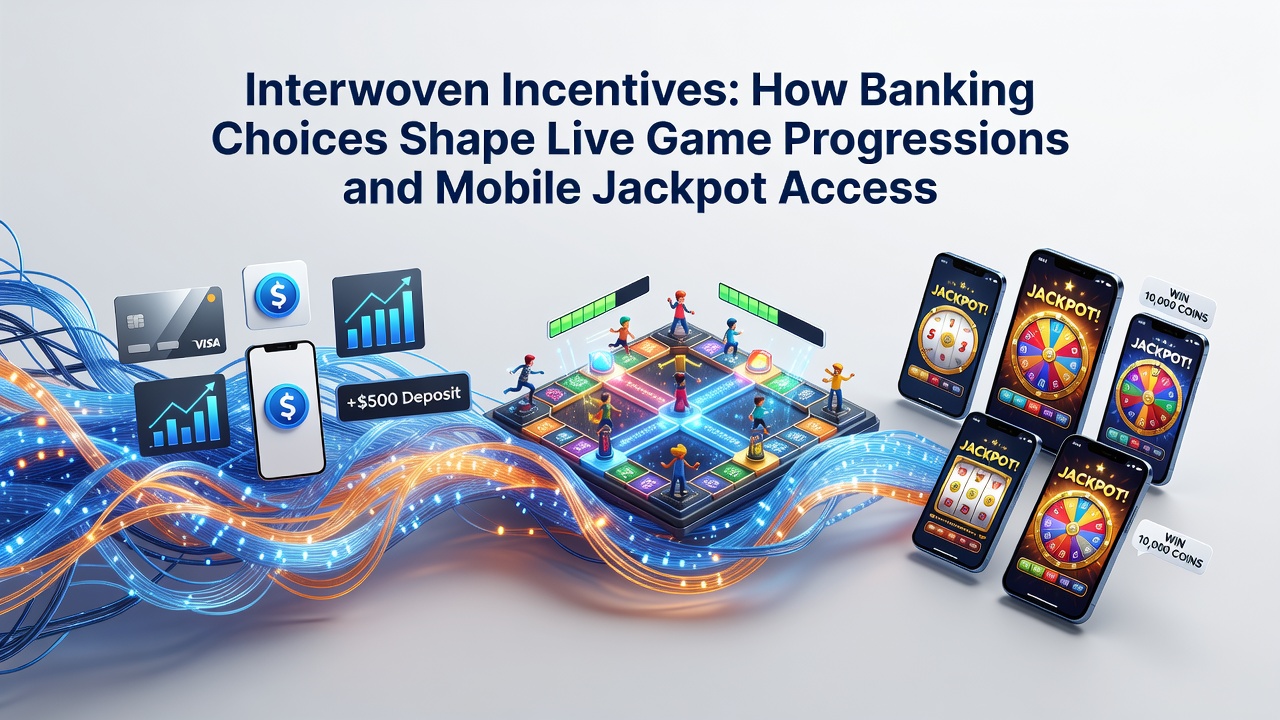
Payment selections at online platforms create direct pathways that influence how players move through live dealer sessions and reach mobile jackpot features, with deposit speeds and withdrawal options determining bonus eligibility and game progression rates according to industry transaction analyses. Faster methods such as e-wallets often trigger immediate credit that allows uninterrupted entry into live table sequences where progressive elements build across multiple rounds, whereas traditional bank transfers can introduce delays that limit participation windows and reduce access to time-sensitive mobile prize pools.
Data released in July 2026 by the Nevada Gaming Control Board highlighted how specific banking integrations correlate with higher engagement metrics in live environments, showing that platforms supporting instant verification see increased session lengths in dealer-hosted games. Those metrics also pointed to mobile jackpot participation rising when users select payment systems that sync directly with device-based applications, creating seamless transitions from deposit to spin or bet placement without additional authentication steps.
Deposit Methods and Their Direct Effects on Live Table Sequences
Banking options shape live game progressions because many platforms tie promotional credits and loyalty points to the type of payment used for funding, which in turn affects how quickly players accumulate the required stakes for advancing through dealer rounds or unlocking side features. Credit card deposits frequently carry processing fees that operators offset through bonus structures, yet these same structures can restrict live table access unless players meet minimum thresholds tied to the original funding source.
Observers note that digital wallet users experience smoother progression because transactions clear in seconds, allowing immediate placement of bets in live blackjack or roulette where momentum builds through consecutive wins or bonus triggers. In contrast, slower methods such as wire transfers may place temporary holds on funds, interrupting the flow from one live session to the next and preventing accumulation of the multipliers that feed into jackpot eligibility on connected mobile interfaces.
Mobile Jackpot Access Shaped by Withdrawal and Funding Choices
Mobile jackpot entries depend heavily on banking choices that determine both the timing of fund availability and the compatibility of payment systems with smartphone applications. Research from the Australian Institute of Gambling Research indicates that operators offering integrated banking APIs see elevated mobile prize claims when players use methods that support one-click deposits directly within the app environment. These integrations reduce friction between live table play on desktop and mobile jackpot hunting, enabling users to carry over progress or bonus balances across devices without manual intervention.
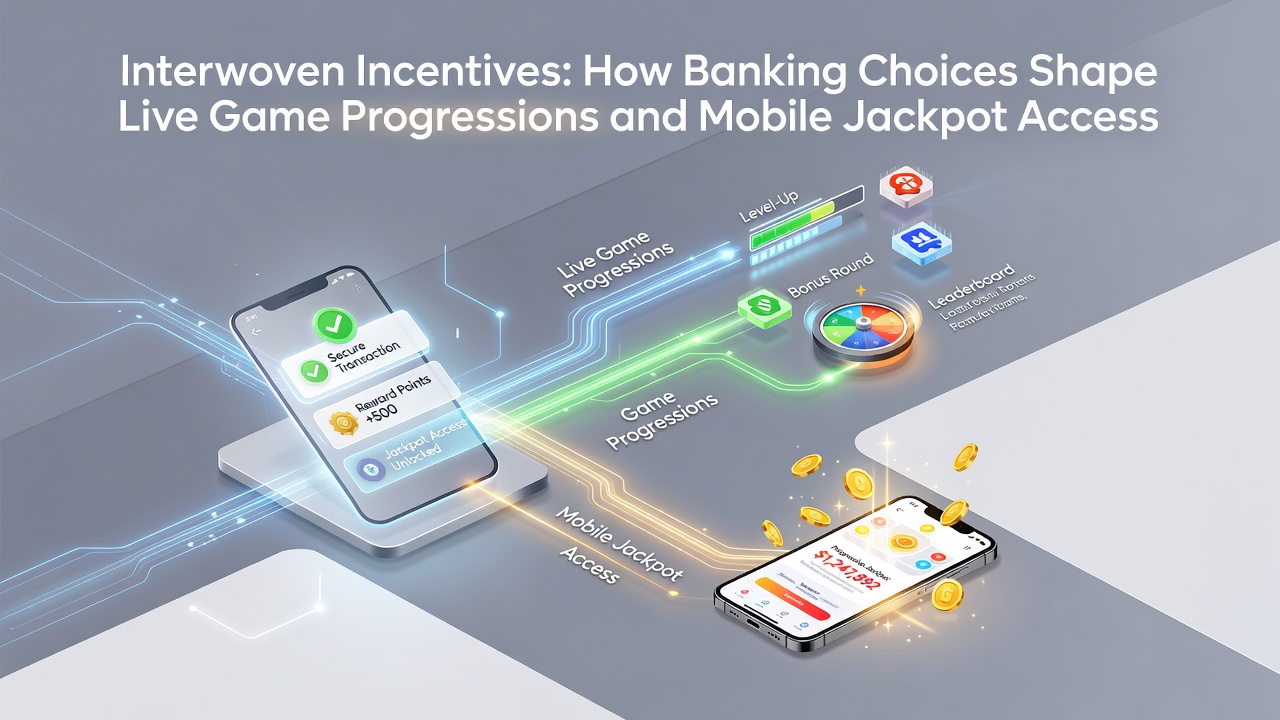
Figures from the same 2026 study revealed that regions with strong mobile banking adoption recorded higher rates of jackpot participation when users selected payment providers that automatically update account balances in real time. Such updates matter because many mobile jackpot systems require continuous balance verification to maintain eligibility for progressive pools, and delays from certain banking routes can result in missed opportunities during peak promotional windows.
Regulatory and Industry Data on Payment Influences
Industry reports compiled by the International Gaming Standards Association track how payment method diversity affects player retention across live and mobile formats, with data showing that platforms supporting multiple regional banking solutions maintain steadier progression rates in live dealer environments. Those reports also document that jackpot access metrics improve when operators align banking partners with local mobile payment preferences, reducing drop-off between live sessions and mobile prize pursuits.
One analysis of transaction logs demonstrated that players using preferred banking routes completed more live game rounds before switching to mobile jackpot interfaces, because the chosen method minimized interruptions from verification checks or currency conversion steps. This pattern holds across different markets where banking regulations influence the speed and reliability of casino funding options.
Conclusion
Banking choices function as structural elements within casino ecosystems, directly guiding the pace of live game progressions and the reach of mobile jackpot features through their impact on transaction speed, bonus activation, and device compatibility. Data from July 2026 and earlier industry studies confirm measurable differences in engagement when players select payment methods aligned with platform capabilities, creating interconnected pathways that operators and regulators continue to monitor for efficiency and accessibility.