Behind the Screens: Connecting Deposits, Draws, and Dealer Interactions in Portable Play Environments
Kai Griffin · Jun 9, 2026
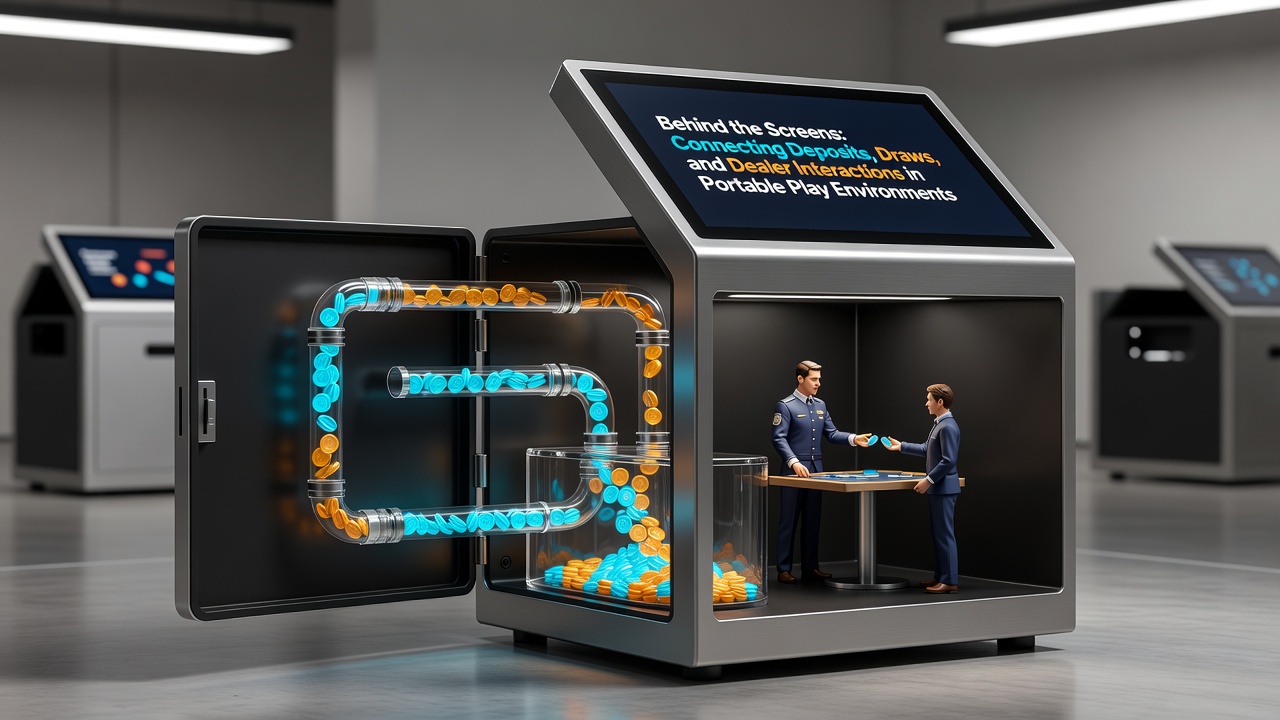
Behind the Screens: Connecting Deposits, Draws, and Dealer Interactions in Portable Play Environments
Portable play environments have transformed how players access casino games through smartphones and tablets, and the connections between deposits, game draws, and dealer interactions form the backbone of these systems. Research from the University of Nevada, Las Vegas Center for Gaming Research indicates that mobile gaming platforms now account for over 60 percent of total online casino activity in regulated markets as of early 2026.
Deposit Systems in Mobile Settings
Secure deposit mechanisms operate through encrypted mobile applications that integrate banking services directly into gaming interfaces, and users complete transactions via digital wallets, bank transfers, or card payments without leaving the app environment. Data from the Australian Communications and Media Authority shows transaction processing times averaged under 15 seconds for approved methods during the first quarter of 2026. These systems rely on tokenization to protect financial details while allowing instant fund availability for gameplay, and developers design interfaces to minimize steps between account funding and game access.
Draw Mechanisms and Randomization Technology
Game draws in portable environments depend on certified random number generators that produce outcomes for slots, table games, and other titles, and these algorithms run on remote servers while delivering results to mobile devices through secure data streams. Certification bodies test these systems regularly to maintain fairness standards, and portable platforms must handle variable network conditions without compromising draw integrity. Observers note that 5G network expansions have reduced latency in draw result delivery, enabling smoother gameplay sessions on the go.
Live Dealer Interactions on the Move
Dealer interactions occur through live video streams optimized for mobile screens, and players place bets or communicate via touch controls that sync with studio-based operations. Software platforms manage multiple camera angles and chat functions while maintaining synchronization between dealer actions and player inputs, and this setup creates real-time engagement despite physical separation. Industry reports highlight that bandwidth optimization techniques have improved stream stability on portable devices, supporting longer sessions without interruptions.
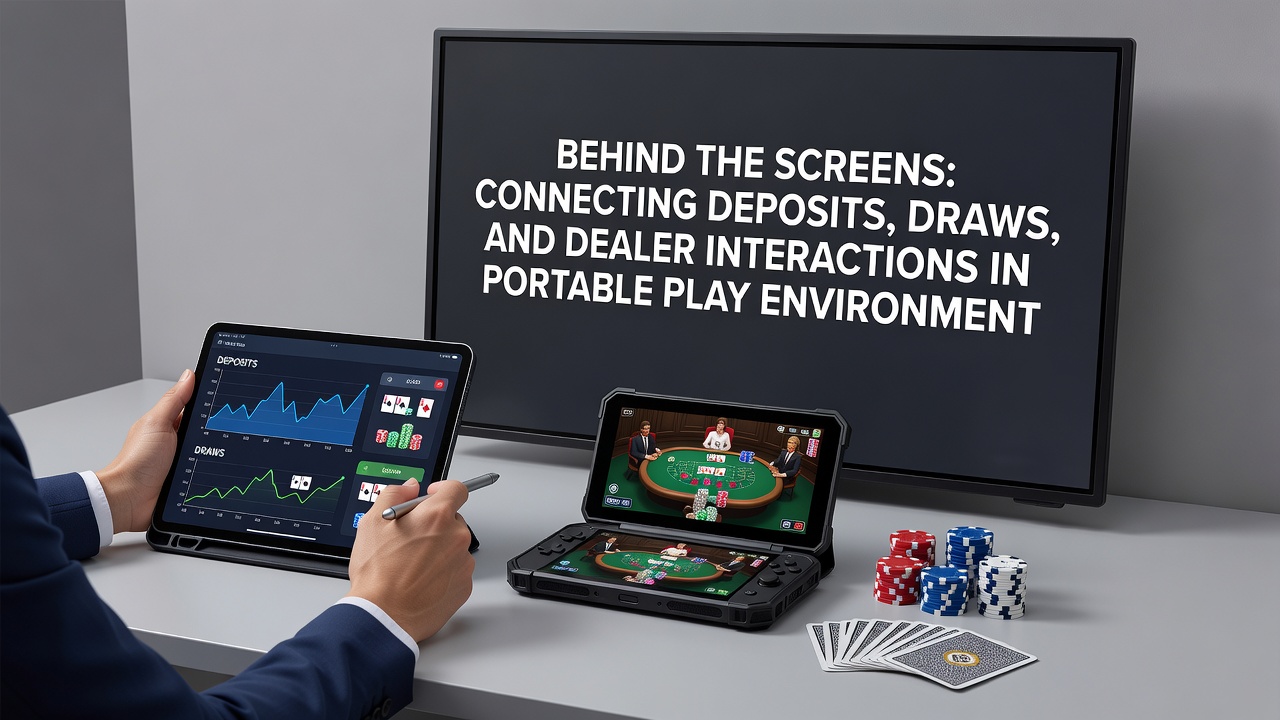
Integration points link deposits directly to active draws and dealer tables, so funded accounts allow immediate participation in live sessions or automated games. Backend systems track player balances in real time, updating after each draw or bet settlement, and this connectivity reduces delays that once separated funding from action. Developers incorporate features like quick-deposit buttons during live play to maintain momentum.
Technical Infrastructure Supporting Connectivity
Cloud-based servers handle the heavy processing for draws and video feeds, while mobile apps manage user interfaces and local caching, and this division keeps performance consistent across different device types. Security protocols encrypt all data exchanges between deposits, randomization engines, and dealer streams, and compliance with regional standards ensures these measures meet established benchmarks. Figures from the European Gaming and Betting Association reveal that platform uptime rates exceeded 99.5 percent across major mobile providers in recent assessments.
Player Experience and System Flow
Users navigate from deposit confirmation to game selection and dealer engagement within unified app environments, and design choices prioritize one-tap transitions between these stages. Notifications alert players to balance updates or dealer table availability, and this feedback loop supports continuous play without manual checks. Studies on user behavior indicate that streamlined connections between these elements correlate with higher session durations on portable devices.
Regulatory and Operational Considerations
Regulators in various jurisdictions require transparency in how deposits fund draws and interact with live dealer platforms, and operators submit regular reports on system performance and transaction logs. These requirements extend to mobile-specific testing for RNG fairness and stream reliability, and companies adapt their infrastructure to align with evolving rules. What's interesting is how portable environments have prompted new guidelines focused on cross-device consistency.
Conclusion
The interplay of deposits, draws, and dealer interactions defines the operational reality of portable play environments, and ongoing technological refinements continue to strengthen these connections. As mobile networks advance and platforms evolve, the underlying systems maintain focus on security, speed, and synchronization to support player access across locations.