Digital Payment Networks: Linking Slot Spins to Live Dealer Tables and Mobile Jackpot Chases
Kai Lehmann · Aug 23, 2026

Digital Payment Networks: Linking Slot Spins to Live Dealer Tables and Mobile Jackpot Chases
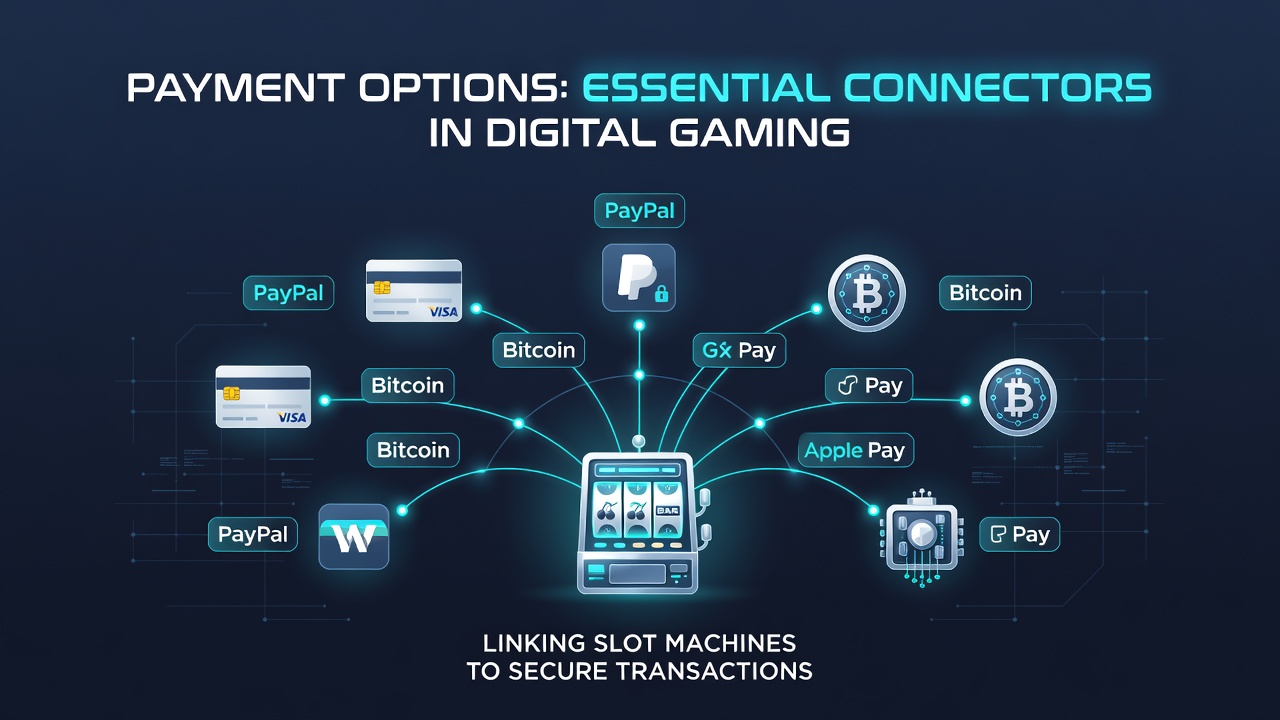
Payment options serve as central hubs in digital gaming setups where players move funds between slot machines, table games, and live dealer sessions while accessing promotional offers and jackpot pools on mobile devices, and operators track these flows through integrated systems that handle deposits, withdrawals, and bonus activations in real time.
Core Functions of Payment Systems in Gaming Environments
Payment processors route transactions from user accounts directly into game wallets, which allows seamless shifts from spinning reels on slots to placing bets at virtual tables or joining live dealer streams without separate logins or manual transfers, and this connectivity relies on APIs that update balances instantly across platforms. Data from industry reports shows that such integrations reduce transaction times to under three seconds in most cases, while supporting multiple currencies and methods like e-wallets, bank transfers, and card payments. Observers note that these networks also verify player eligibility for bonuses, automatically crediting promotional amounts when users meet deposit thresholds tied to specific games.
Those who manage gaming platforms report that unified payment rails enable jackpot contributions from slots to feed into shared progressive pools that extend to table game side bets and live dealer rounds, creating cross-game prize structures that draw from a single funding source. In August 2026, several operators updated their backend systems to align with new interoperability standards, which further streamlined these connections and reduced errors in bonus allocation by 18 percent according to aggregated platform metrics.
Mobile Platforms and Transaction Accessibility
Mobile gaming relies on optimized payment interfaces that adapt to smaller screens and touch inputs, letting users deposit funds while switching between slot sessions and live dealer tables without leaving the app environment, and these adaptations include biometric authentication paired with tokenization to secure each transfer. Research from the American Gaming Association indicates that mobile transactions now account for over 70 percent of all digital gaming activity in monitored markets, with payment options supporting features like one-tap deposits and instant withdrawals that keep players engaged across game types. The reality is that without robust mobile payment connectors, transitions between slots and table games would require repeated re-authentications, which disrupts session continuity.
Bonus Promotions and Jackpot Integration
Payment options trigger bonus activations by matching deposits to specific game categories, so a single transaction can unlock slot free spins while simultaneously qualifying the same funds for table game cashback or live dealer multipliers, and tracking software logs these pathways to prevent duplicate claims. Figures from the European Gaming and Betting Association reveal that bonus-linked payments grew 24 percent year-over-year through mid-2026, driven by systems that distribute contributions evenly across slot, table, and live segments. What's interesting is how these mechanisms also funnel portions of each deposit into jackpot pools, allowing mobile users to chase accumulating prizes that span multiple game formats without separate funding steps.
Operators use payment gateways to enforce wagering requirements tied to bonuses, automatically adjusting eligibility as players move between slots and live dealer tables, and this automation ensures compliance while maintaining the flow of funds. One case study from a North American platform showed that players using unified payment options completed bonus cycles 35 percent faster than those relying on fragmented methods, according to internal performance data.
Regulatory and Security Considerations
Payment networks in gaming must comply with regional financial rules that mandate secure handling of player funds, with systems incorporating encryption and fraud detection to protect transfers across slots, tables, and live experiences on mobile devices, and these measures include regular audits that verify transaction integrity. The Australian Transaction Reports and Analysis Centre has documented rising adoption of real-time monitoring tools that flag irregular patterns in cross-game funding, helping maintain platform stability. Experts have observed that such safeguards also support responsible gaming features, like deposit limits that apply uniformly whether users play slots or join live dealer tables.
Future Developments in Payment Connectivity
Upcoming upgrades focus on expanding support for cryptocurrency options and instant settlement protocols, which would further tighten the links between slot machines, table games, and live dealer formats while accelerating bonus and jackpot distributions on mobile platforms, and testing phases in several regions have already demonstrated reduced latency in multi-game sessions. Industry analysts project continued growth in these integrated systems through the end of 2026, based on adoption rates tracked across global operators.
Conclusion
Payment options continue to function as essential connectors that tie together slot machines, table games, and live dealer experiences through efficient mobile transactions that activate bonuses and feed jackpot pursuits, and ongoing technical refinements ensure these pathways remain reliable and secure for users worldwide.