From Reels to Tables: Transaction Pathways Powering Progressive Pools in Live Dealer Environments
Kai Lehmann · Jul 21, 2026
From Reels to Tables: Transaction Pathways Powering Progressive Pools in Live Dealer Environments
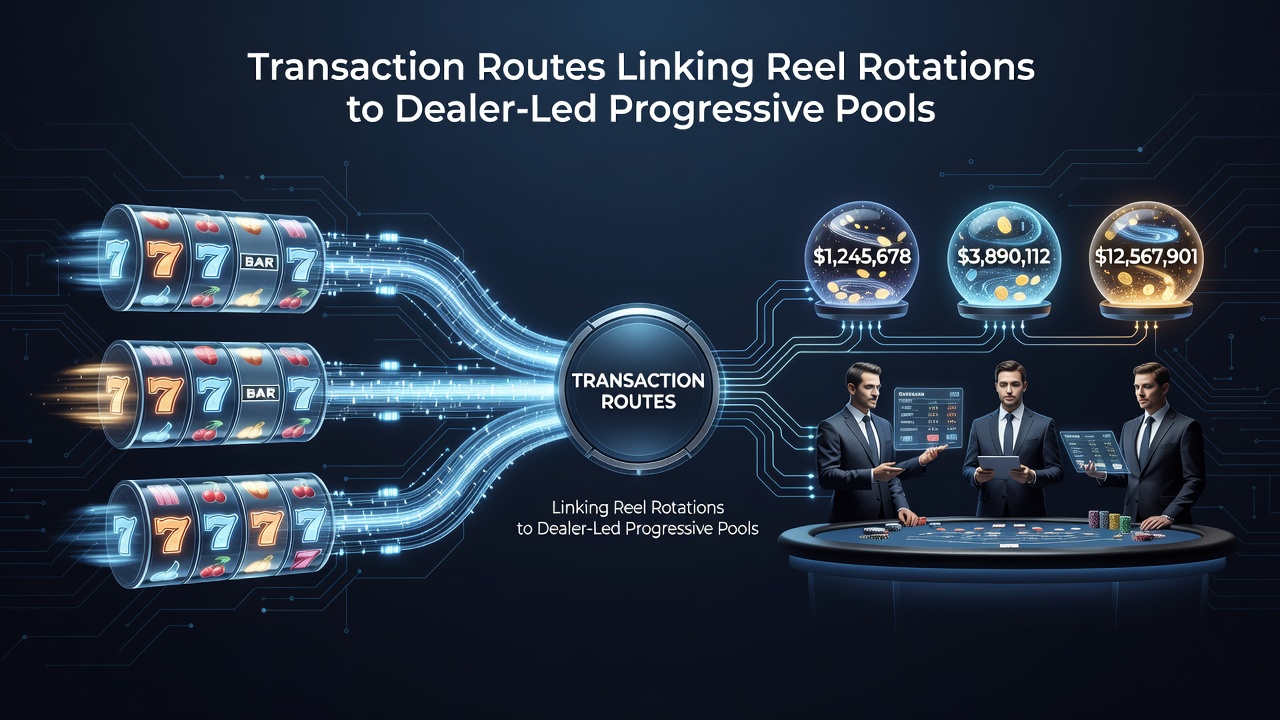
Transaction routes form the backbone of modern casino systems where contributions from slot reel rotations feed directly into dealer-led progressive pools, and these pathways rely on integrated software platforms that track every spin while allocating portions of wagers in real time. Operators configure these routes through backend processors that handle micro-transactions across thousands of games simultaneously, and data from July 2026 shows steady growth in cross-game pooling as platforms expand live dealer offerings alongside traditional slots.
Core Mechanics of Reel Contributions
Each reel rotation triggers a small percentage deduction from the bet amount, and that fraction travels through encrypted transaction channels to central jackpot servers. Software developers design these channels to update pool balances instantly, while accounting modules separate contributions by game type and jurisdiction. Observers note that such systems prevent overlap between fixed jackpots and progressive ones by using distinct ledger entries that update every few milliseconds.
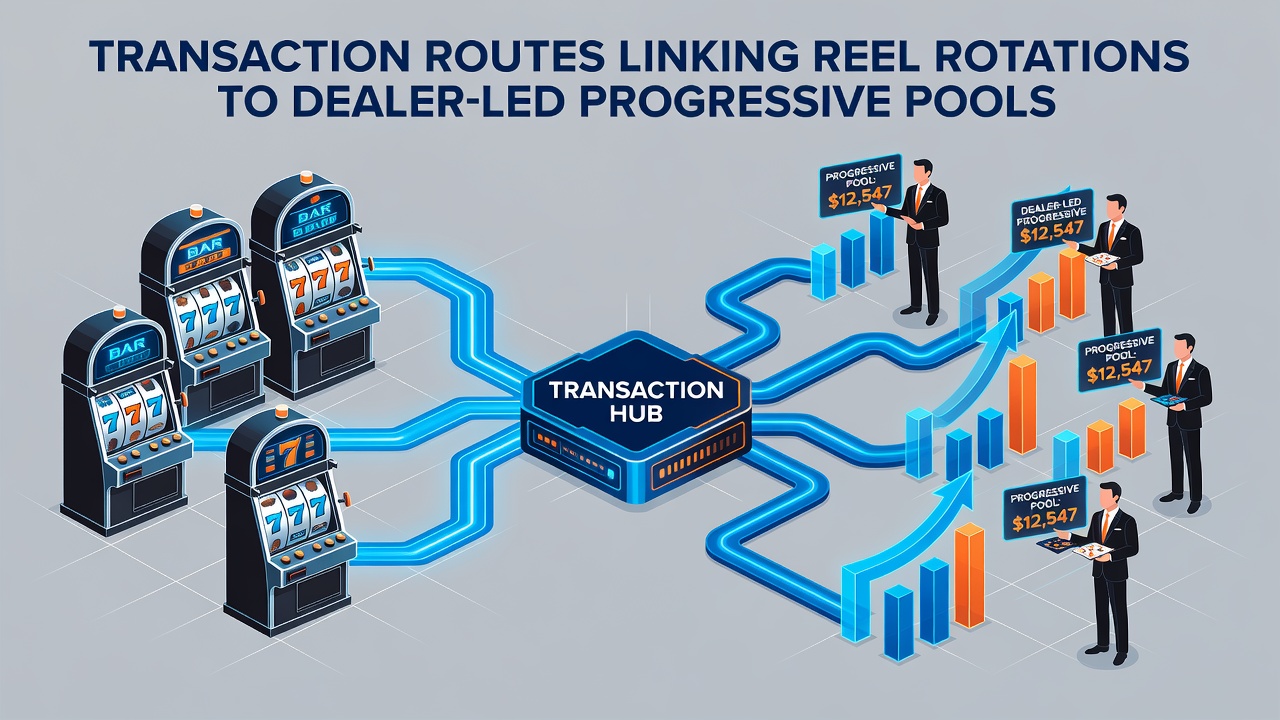
Payment gateways serve as intermediaries in many setups, routing funds from player accounts through game servers before they reach the progressive pool, and this layered approach maintains audit trails required by regulators across multiple regions. Research from the Nevada Gaming Control Board indicates that transaction latency in these routes averages under 200 milliseconds during peak hours, which keeps progressive displays accurate for players watching live tables.
Integration with Live Dealer Environments
Dealer-led progressive pools differ from standard slot progressives because a human host oversees the game round while the system continues accumulating contributions from remote slot players. Transaction routes must therefore bridge asynchronous slot activity with synchronous table events, and middleware solutions accomplish this by queuing contributions until the next dealer shuffle or card deal occurs. Those who've examined these architectures find that the queuing logic prevents premature payouts by locking pool segments during active rounds.
Regional Regulatory Approaches
Canadian provincial authorities have documented similar transaction frameworks in their annual compliance reports, where operators must demonstrate that slot-derived funds reach live dealer pools without commingling player balances. In Australia, state gaming commissions require timestamped logs for every contribution, which helps trace the path from reel spin to pool credit. These requirements drive the adoption of blockchain-assisted verification in some jurisdictions, although traditional databases still dominate most deployments.
Technical Infrastructure and Data Flow
API endpoints handle the actual data packets that carry contribution values, player identifiers, and game session tokens, and these endpoints connect slot engines to the progressive management layer. When a reel stops, the system calculates the contribution amount based on configurable percentages before sending the packet onward, and load balancers distribute traffic across multiple servers to avoid bottlenecks. Studies from the University of Nevada, Las Vegas gaming research group reveal that optimized routes reduce error rates in pool calculations to below 0.01 percent across high-volume periods.
Security protocols encrypt each transaction at multiple points along the route, and tokenization replaces sensitive account data with temporary identifiers that expire after the contribution posts. This design limits exposure while preserving the ability to reconcile totals at the end of each gaming day. Industry reports from the European Gaming and Betting Association highlight how these measures support cross-border operations where different tax regimes apply to slot versus table contributions.
Operational Examples and Scaling Patterns
One large European operator implemented a unified transaction engine in early 2026 that merged contributions from 12,000 slot titles into three separate live dealer progressive pools, and the change resulted in faster pool growth rates without increasing server overhead. Another case involved a North American platform that introduced dynamic routing, where contributions shift between pools based on current table activity levels, and internal metrics showed improved player retention during promotional periods.
Monitoring tools track route performance through dashboards that display contribution volumes, average transfer times, and any rejected packets, while automated alerts notify technicians when thresholds are exceeded. These tools also generate reports that feed into monthly regulatory submissions, ensuring continued compliance across operating territories.
Conclusion
Transaction routes that link reel rotations to dealer-led progressive pools continue to evolve as platforms refine their integration layers and regulatory frameworks adapt to new technologies. Data from July 2026 demonstrates consistent reliability in these systems, supported by layered security and precise accounting practices that maintain separation between game types. Operators who maintain robust route architectures benefit from smoother operations across both slot and live dealer environments.