Slots, Spins, and Strict Rules: Navigating the UK's Casino Evolution
Mara Albrecht · Apr 7, 2026
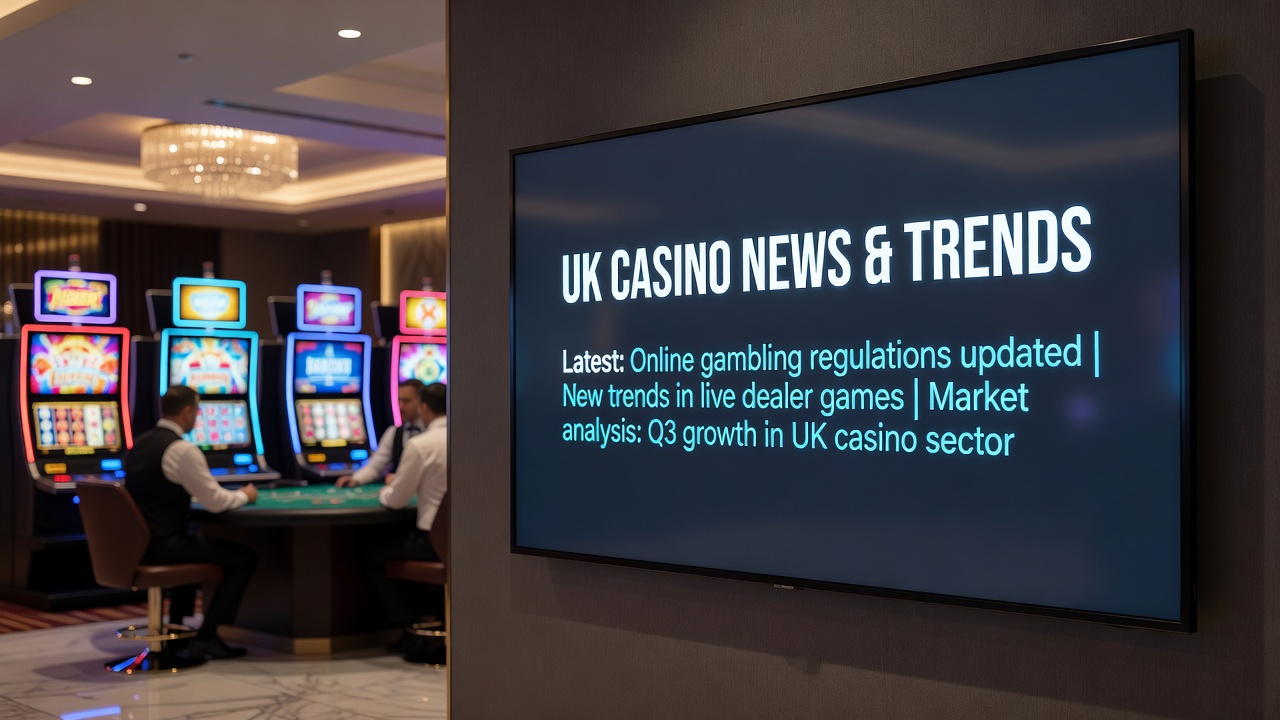
UK Gambling Commission Rolls Out Updated Notice for Casinos Handling Money Services in Great Britain
Casinos across Great Britain that dip into money service businesses—think third-party cheque cashing, fund transfers, or foreign currency exchanges—now face a fresh directive from the UK Gambling Commission, requiring them to notify the regulator within 10 days of launching or shutting down such operations; this update builds directly on a previous alert from February 9, 2026, which spotlighted mandatory HMRC registrations for these activities.
The Core of the Updated Notice
Operators must shoot over key details like their full legal name, operating licence number, exact start or cessation dates for the MSB services, and a clear description of the MSB type involved, all directed to the dedicated email at msb@gamblingcommission.gov.uk; this streamlined reporting aims to keep the Commission in the loop on evolving casino services that straddle gambling and financial realms, especially as 2026 unfolds with heightened scrutiny on compliance landscapes.
What's interesting here is how the notice zeroes in on land-based casinos under Gambling Commission licences, mandating proactive updates that prevent blind spots in oversight; casinos already running these MSBs get a grace period to report existing setups, while new ventures or wind-downs trigger the 10-day clock without fail.
And take one operator scenario where a casino introduces foreign exchange kiosks to cater to international high-rollers; under this rule, they log the details promptly, ensuring regulators track potential money laundering vectors tied to gambling floors—straightforward, yet critical in a sector where cash flows fast and furious.
Building on February's HMRC Reminder
That earlier February 9, 2026 notice laid groundwork by flagging HMRC registration obligations for MSBs, a step casinos can't skip if they're handling transmissions of money or monetary value for others; now this update layers on Gambling Commission notifications, creating a dual-reporting framework that ties financial services tightly to gambling operations.
HMRC demands registration as a money service business when activities like cheque cashing or currency exchanges go beyond internal casino use—say, serving third parties on premises—while the Commission's notice ensures gambling-specific oversight doesn't lag; operators who miss either face enforcement risks, from fines to licence reviews, as data from regulatory archives shows consistent crackdowns on non-compliance.
But here's the thing: casinos providing these services often serve as hubs for players needing quick cash access, blending convenience with the thrill of the tables, yet regulators insist on transparency to safeguard against illicit flows.
FCA Authorisation: The Financial Layer

Beyond notifications, casinos must affirm compliance with Financial Conduct Authority rules under The Payment Services Regulations 2017, which govern authorisation for payment services including money remittances and currency exchanges; this confirmation forms part of the submission package, verifying that MSB activities hold proper FCA nods or exemptions.
Experts who've parsed these regs note how PSRs 2017 classify certain casino services as requiring safeguards against fraud and terrorism financing; a casino cashing third-party cheques, for instance, steps into payment institution territory unless exempted, prompting FCA checks that align with Gambling Commission expectations.
So when submitting to msb@gamblingcommission.gov.uk, operators attach proof of FCA status, closing loops on a regulatory trifecta—Gambling Commission for gambling ops, HMRC for MSB registration, FCA for payment authorisations—that keeps Great Britain's casino ecosystem airtight.
Turns out, non-exempt activities like foreign exchange for non-customers trigger full authorisation processes, complete with fit-and-proper tests and ongoing reporting; those who've navigated this often discover the upfront burden pays off in licence stability.
Practical Steps for Casinos
Start with auditing current services: does the casino offer cheque cashing to non-players, wire transfers, or currency swaps that qualify as MSBs? If yes, compile the name, licence number, dates, and type, then email within 10 days of any change; for ongoing ops predating the notice, retrospective filings ensure catch-up compliance.
The email format stays simple—no fancy portals yet—yet demands precision, as Commission teams cross-reference against licence records; delays beyond 10 days invite follow-ups, and in extreme cases, compliance probes that disrupt operations.
Now consider a mid-sized casino in the Midlands adding transfer services post-refurb; they notify promptly, confirm FCA alignment, and dodge pitfalls that snag less vigilant peers—evidence from past enforcement logs reveals fines hitting six figures for overlooked MSB duties.
- Full operating company name and Gambling Commission licence number.
- Precise dates for MSB start or cessation.
- Description of services: e.g., "third-party cheque cashing" or "foreign currency exchange."
- Confirmation of FCA authorisation under PSRs 2017.
This list, drawn straight from the notice, forms the backbone; operators who tick these boxes stay ahead, especially amid April 2026's regulatory pulses where LCCP tweaks loom for broader licensee duties.
Why MSBs Matter in Casinos
Money services pop up in casinos because players crave liquidity—cashing winnings, hedging bets with exchanges, or transferring funds seamlessly—yet these conveniences double as gateways for suspicious transactions if unchecked; the Commission's notice plugs visibility gaps, enabling targeted audits in a landscape where MSBs have historically drawn scrutiny.
Figures from regulatory reports indicate MSBs account for notable cash volumes in land-based venues, prompting rules that mirror anti-money laundering standards; one case saw a casino fined after unreported cheque ops facilitated layered deposits, underscoring why notifications now rule the day.
That's where the rubber meets the road: casinos balance player perks with reporting rigour, and this update sharpens that edge without overhauling daily ops; observers note how Great Britain-only scope excludes Northern Ireland, aligning with devolved gambling frameworks.
2026 Context and Ongoing Momentum
As 2026 progresses—think April's horizon with LCCP consultations bubbling—the MSB notice slots into a proactive Commission stance, refreshing protocols amid tech shifts and player pattern evolutions; while not overhauling core licences, it reinforces that ancillary services demand equal vigilance.
People in the industry who've tracked these evolutions point out how prior notices evolved into this iteration, responding to operator feedback and risk assessments; the 10-day window strikes a practical chord, faster than annual returns but not so tight it stifles business.
Yet for casinos eyeing expansions, the message rings clear: MSBs trigger multi-agency oversight, from HMRC ledgers to FCA approvals, all funneled through one Commission email—efficient, if navigated right.
Wrapping Up the Regulatory Shift
This updated notice from the UK Gambling Commission delivers a clear playbook for casinos venturing into money services, mandating swift notifications and FCA confirmations that fortify compliance in Great Britain's tightly regulated scene; building on February's HMRC alert, it ensures operators report changes within 10 days via msb@gamblingcommission.gov.uk, detailing names, licences, dates, and service types without ambiguity.
Operators who integrate these steps sidestep disruptions, maintaining smooth floors where gaming and finance coexist under watchful eyes; as 2026 regulatory currents flow—particularly into April and beyond—these rules underscore a commitment to transparency, protecting players and the sector alike from unchecked risks.
In essence, it's a timely nudge: casinos offering cheque cashing, transfers, or exchanges keep regulators informed, affirm payment reg compliance, and operate with the green light; those who do thrive amid the oversight, turning potential pitfalls into structured advantages.