Tracing Digital Gaming Journeys: Efficient Starts, Live Engagements, and Building Prize Pools Through Streamlined Payments
Clara Hoffmann · May 22, 2026
Tracing Digital Gaming Journeys: Efficient Starts, Live Engagements, and Building Prize Pools Through Streamlined Payments
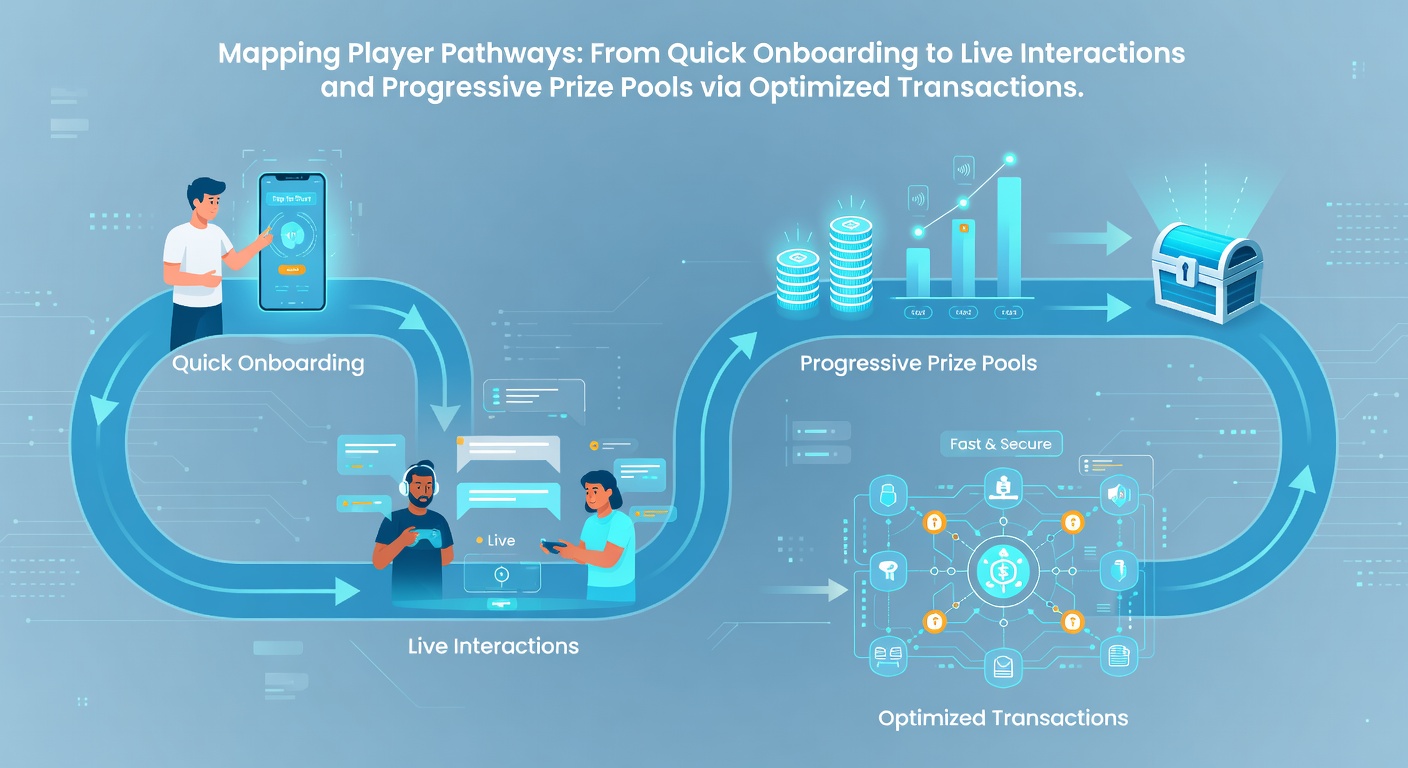
Online gaming platforms have developed structured pathways that guide participants from initial registration to ongoing participation in live dealer environments and progressive prize mechanisms, and these sequences rely heavily on transaction systems designed for speed and reliability. In May 2026 industry analyses noted continued growth in these integrated flows across multiple jurisdictions where regulatory frameworks support digital access while maintaining verification standards.
Initial Registration and Verification Processes
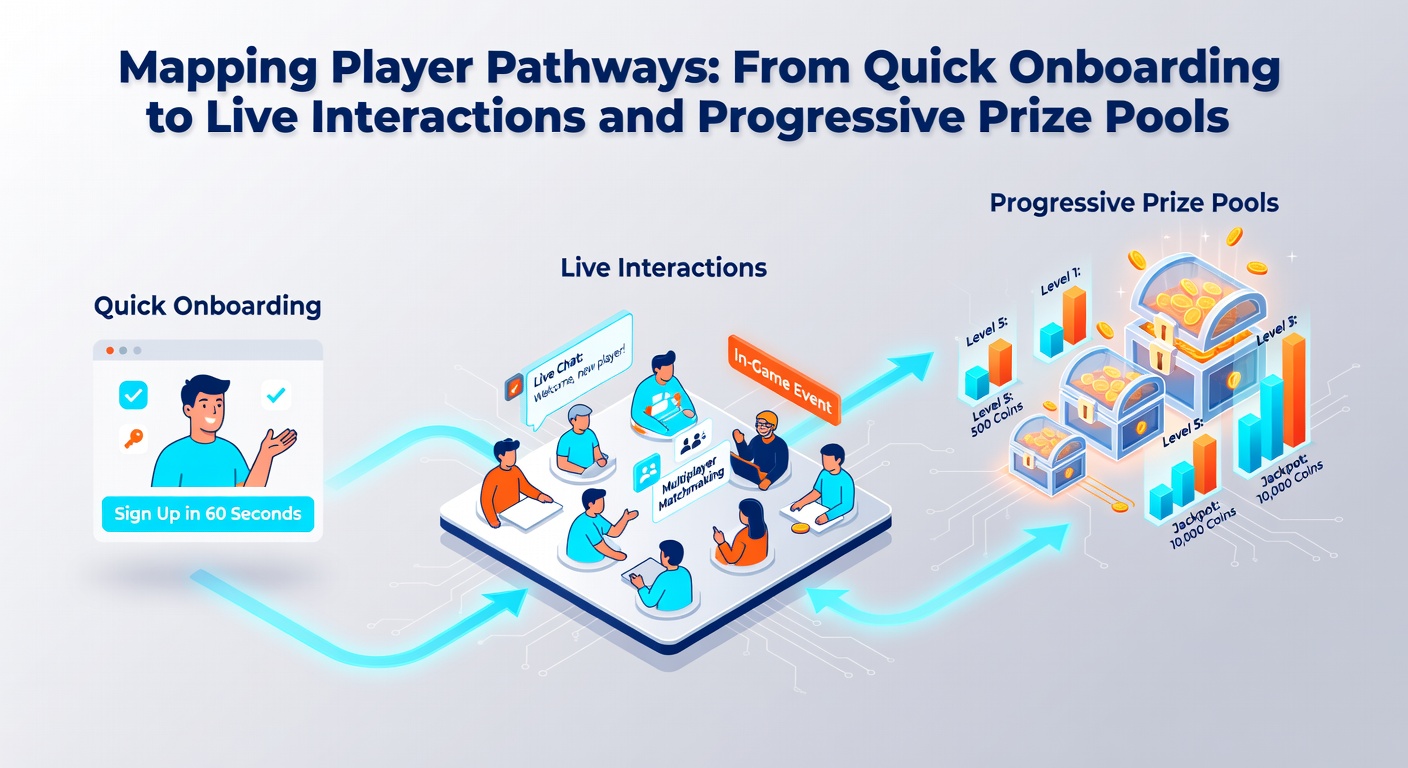
Players typically begin with account creation that incorporates identity checks through document uploads or automated data matching, and this stage often completes within minutes when platforms employ advanced verification tools. Data from regulatory bodies shows that streamlined onboarding reduces drop-off rates during sign-up phases while complying with age and location requirements. Observers note that many sites now integrate biometric options or third-party services to accelerate confirmation without compromising security protocols.
Once verified accounts activate, users gain immediate access to deposit functions that connect directly to game libraries, and optimized transaction layers allow funds to appear in balances almost instantly. Payment processors handle various methods including cards, e-wallets, and digital currencies, each route feeding into the same backend ledgers that track contributions toward larger prize structures.
Transition to Live Dealer Interactions
After onboarding, participants frequently move toward live dealer tables where real-time video streams connect them with human hosts, and these sessions require stable connections alongside seamless fund transfers for betting. Research indicates that platforms prioritize low-latency payment gateways to support quick wagers during active rounds, which keeps engagement high across roulette, blackjack, and baccarat variants. Those who've examined usage patterns find that players who complete early deposits tend to explore live options sooner than those facing delays.
Role of Transaction Optimization in Live Settings
Optimized transactions play a central part here because they minimize interruptions between game decisions and balance updates, and systems often use API integrations that update ledgers across multiple tables simultaneously. According to reports from the American Gaming Association, transaction speed correlates with session duration in live environments across North American markets. Players encounter fewer friction points when deposits process through pre-approved channels that bypass additional approvals mid-session.
Progressive Prize Pools and Their Funding Mechanisms
Progressive prize pools accumulate through small percentages deducted from qualifying bets, and these contributions flow from both slot machines and select table games into shared jackpot totals that grow across networks. Transaction systems allocate these increments automatically at the moment each wager settles, which ensures accurate tracking even during high-volume periods. Studies from the University of Nevada, Las Vegas have documented how such pools expand more rapidly on platforms with efficient settlement speeds that encourage repeated participation.
Live interactions sometimes feed into these pools as well when specific bets qualify, and this creates pathways where players shift from standard tables to jackpot-eligible rounds without leaving the interface. Payment optimizations support this by handling micro-transfers that update pool displays in real time, allowing participants to see incremental growth during their sessions. In regions outside the UK, such as parts of Europe and Australia, similar systems operate under local oversight that emphasizes transparent reporting of contribution rates.
Integration Across the Full Pathway
The complete journey links onboarding speed to live access and then to pool participation through unified transaction rails, and platforms achieve this by maintaining consistent backend ledgers that recognize verified users across all game types. Data shows higher retention when early transactions succeed without extra verification steps, which in turn supports larger prize pool contributions over time. Observers have tracked how mobile-optimized payment flows further extend these pathways by enabling play from various devices without losing progress or pool eligibility.
Regulatory updates in several markets during 2026 have emphasized the need for clear audit trails on how transactions contribute to prizes, and this has prompted refinements in software that logs every allocation step. Industry organizations continue to share best practices on balancing rapid access with responsible controls that monitor play patterns across the entire sequence from first deposit onward.
Conclusion
Player pathways in digital gaming continue to evolve through tighter connections between registration, live play, and progressive prize systems, all supported by transaction frameworks that prioritize efficiency. These structures allow participants to move fluidly while maintaining compliance and accuracy in prize distributions across expanding networks.