Tracing the Flow: How Banking Choices Influence Bonus Utilization and Game Transitions in Handheld Casino Play
Kai Lehmann · Jun 19, 2026
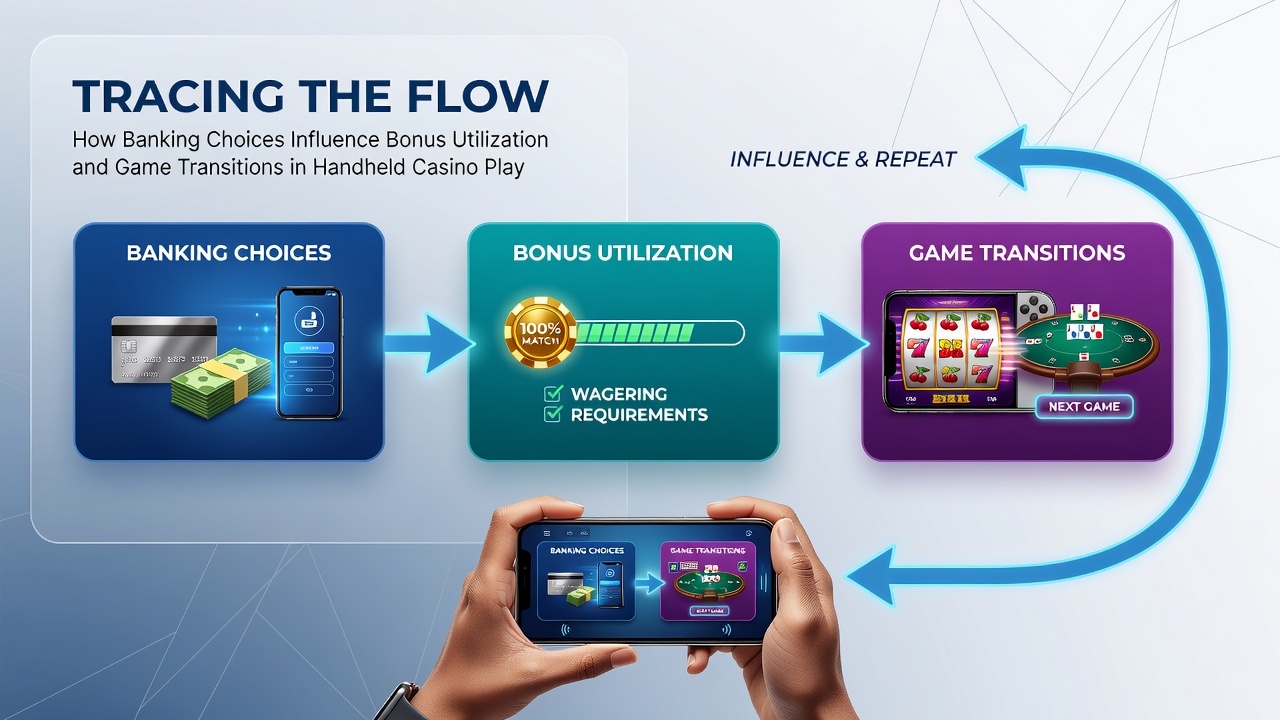
Tracing the Flow: How Banking Choices Influence Bonus Utilization and Game Transitions in Handheld Casino Play
Banking selections in handheld casino environments direct how players activate and clear promotional offers while shifting between slot machines and live dealer tables. Payment methods determine processing speeds, which in turn affect the timing of bonus releases and the ease of moving funds across game categories without interruption. Data collected from multiple platforms indicates that credit card deposits often trigger immediate bonus eligibility whereas e-wallet transfers introduce brief delays that can alter session pacing.
Payment Pathways and Bonus Activation Mechanics
Electronic wallets such as PayPal and Skrill connect directly to casino accounts and release matched deposits within seconds, allowing users to meet wagering thresholds faster than traditional card methods. Bank transfers, by contrast, require one to three business days for confirmation, which postpones the start of playthrough requirements and sometimes forces players to pause their handheld sessions entirely. Figures from payment processor reports reveal that instant funding options correlate with higher bonus conversion rates because users begin satisfying terms before promotional windows close.
Prepaid vouchers and cryptocurrency options add another layer to this process, since they bypass conventional banking networks yet still feed into the same bonus tracking systems. Observers note that crypto deposits frequently carry lower transaction fees, freeing more of the initial amount for actual wagering rather than administrative costs. Those who select these routes often complete bonus cycles in fewer spins because the full deposit remains available from the outset.
Handheld Device Constraints and Transaction Flow
Smaller screens and touch interfaces on mobile devices streamline deposit confirmation steps, yet they also limit visibility of detailed transaction logs during active play. Players must navigate between banking menus and game lobbies without losing connection, a process that banking apps integrated into casino software now handle through single-tap authorizations. Research conducted by mobile gaming analytics firms shows that frictionless authorization reduces the likelihood of abandoned bonus claims mid-session.
Shifting Between Game Types Without Losing Momentum
Once bonuses activate, the choice of funding method influences whether players can move remaining balances from slots into table games while preserving promotional value. Many platforms tag bonus funds separately from cash balances, and certain banking routes allow seamless internal transfers that keep both categories active across game switches. E-wallet users report fewer interruptions because their accounts update in real time, whereas card-funded sessions sometimes require manual balance reconciliation before table game entry.
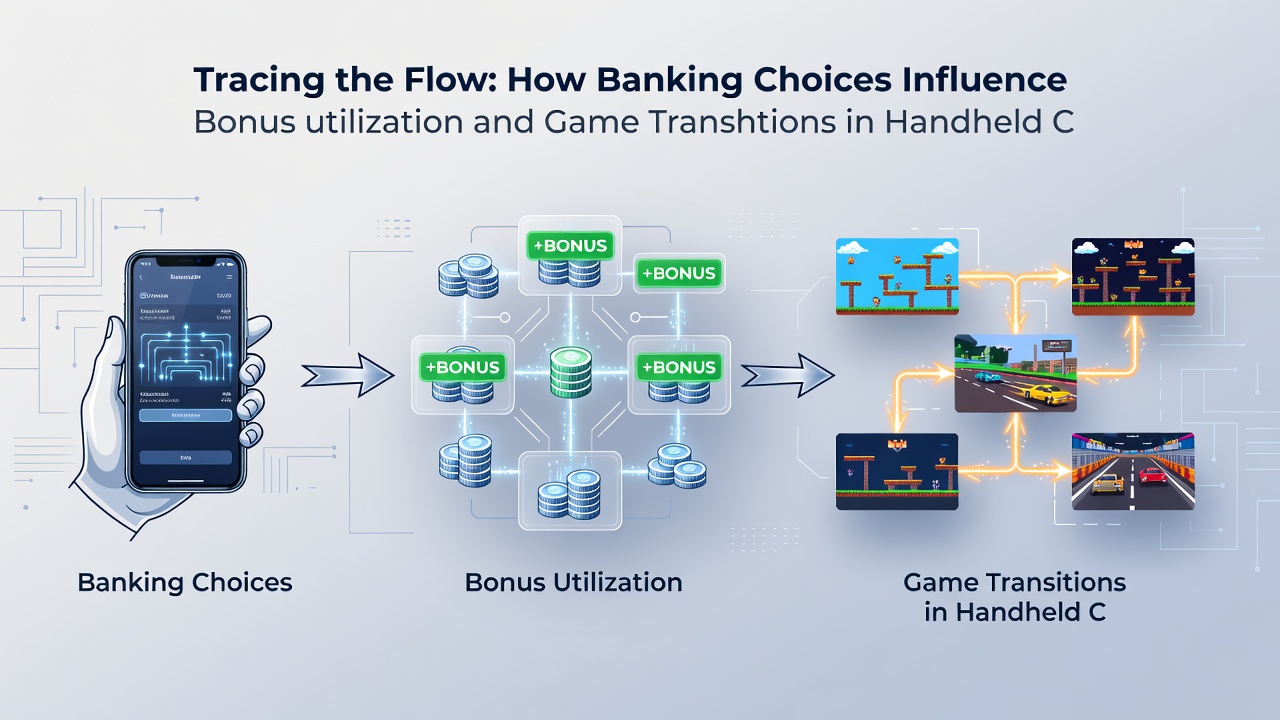
Live dealer sections often impose separate wagering contributions compared with automated slots, so the timing of a banking choice can determine whether bonus progress carries over intact. In June 2026, platform updates across several operators standardized contribution percentages, making cross-game movement more predictable regardless of the original deposit method. Those who monitor these percentages before depositing find they can plan transitions more effectively and avoid partial bonus forfeiture.
Regulatory Influences on Funding Options
Regional licensing rules shape which payment rails casinos may promote to handheld users, with authorities in various jurisdictions requiring clear disclosure of processing times and bonus eligibility tied to each method. The Nevada Gaming Control Board publishes quarterly summaries that track how different deposit types affect player retention metrics, while similar data from Canadian provincial regulators highlight regional variations in e-wallet adoption. These disclosures help operators align their mobile banking menus with compliance standards without restricting player choice.
Industry associations such as the European Gaming and Betting Association compile cross-border statistics showing that regions permitting faster payout methods experience steadier game-transition activity. Handheld sessions benefit particularly because shorter confirmation windows keep users engaged when switching between high-volatility slots and strategic table offerings.
Conclusion
Banking decisions create measurable pathways that govern both bonus consumption and movement across game libraries on handheld devices. Faster funding routes shorten activation delays and support uninterrupted transitions, while slower methods extend the time needed to satisfy terms yet may offer other cost advantages. Platform operators continue refining these flows through software updates that integrate banking and game functions more tightly, producing session data that reflects the direct relationship between payment selection and overall play patterns.